
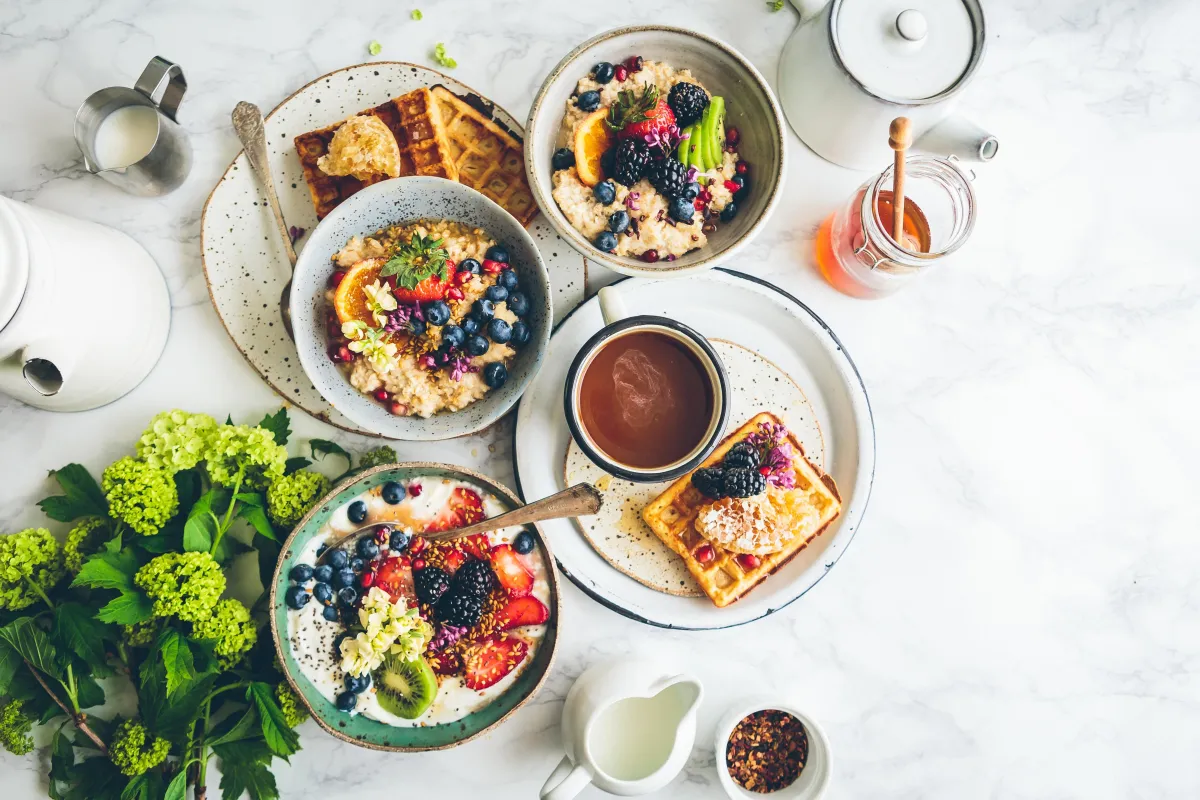
Healthy vs. Highly Processed Food: Unveiling the Secrets for Optimal Health.
In today’s fast-paced world, navigating the vast array of food options can be both confusing and overwhelming, especially when considering the effects of processed and ultra-processed foods on our health. Many of us may not even be aware of the full extent of our consumption of these foods, let alone their potential risks. Armed with knowledge, however we can make more informed choices that priortitise our well-being. Let’s take a deep dive into the world of processed foods, and uncover the facts for better nutrition.
Deciphering the Processed Food Labyrinth
Across the globe, ultra-processed foods have sneakily taken over a significant protion of our daily calorie intake. With staggering figures from countries like Australia (42% of daily calories consumed coming from ultra processed foods), the US (58%), and the UK (56%), these foods have become the predominant energy source for many. Alarmingly, the repercussions are dire: higher consumption of these foods is linked to a whopping 79% risk of obesity and a 30% risk of abdominal obesity, laying down the red carpet for a myriad of health concerns including cardiovascular disease, diabetes, and even cancer.
Decoding Food Processing: The NOVA Classification.
The renowned Centre for Epidemiologial Studies in Health and Nutrition, University of San Paulo, Brazil, has devised a handy tool known as the NOVA Food Classification system. It categorises foods into four distinct groups based on their processing levels:
1.Unprocessed & Minimally Processed Foods:
Unprocessed or minimally processed foods are whole-foods that are the closest to their natural state and are rich in essential vitamins, minerals and nutrients. Unprocessed or natural foods are taken directly from plants or animals and do not get altered following their removal from nature. Minimally processed foods get modified by removing inedible parts, minimal processing methods like drying, fermentation, crushing, roasting, boiling, freezing, or pasteurizing to make them appropriate to store and safe to ingest without adding any harmful substances.
Minimally/unprocessed food examples:
Fruits & Vegetables
Nuts & Seeds
Rice, Grains of wheat, oats, and other cereals
Dried or fresh pasta
Lentils, chickpeas, beans, and other dried legumes
Eggs, Fish, Milk, Fresh Meat
100 percent fruit juice
Tea (all types) & Coffee
Spices & Dried herbs
Tap, spring, and mineral water
2.Processed Culinary Ingredients.
Processed culinary ingredients are products extracted from natural foods or nature by pressing, grinding, crushing, pulverizing, and refining. As long as they get used in moderation in culinary preparations based on natural or minimally processed foods, they can elevate and enhance your diet without rendering them nutritionally unbalanced. But some can be highly processed, such as rancid vegetable oil, or derived from low-quality sources, damaging our health. Try and choose high-quality culinary ingredients.
Processed culinary ingredient examples:
Oils & Fats such as butter
Vinegar, Sugars & Salt
Honey extracted from honeycombs
Coconut oil
3. Processed Foods.
Processed foods change from their natural state by adding salt, oil, sugar, or other enhancer substances. Processed foods often have two or three ingredients. It can be easy to forget that freshly made, crusty artisan sourdough and canned chickpeas are still processed, containing mutiple ingredients, but that doesn’t necessarily make them “bad.”
Processed food examples
Canned fruit in syrup
Canned fish, like sardine and tuna, with or without added preservatives
Canned or bottled legumes or vegetables preserved in salt (brine) or vinegar, or by pickling
Freshly-made (unpackaged) bread,
Beer, cider, and wine
4. Ultra-Processed Foods.
The prime culprits of health issues, these foods are infused wiht synthetic additives and ingredients foreign to most home kitchen. They have undergone extreme processing that significantly alters their nutritional profile. Studies show that the nutrient availability in our small intestine is affected when food is ultra-pricessed because the food’s plant properties and animal cells get altered. Destructive health issues can arise when ultra-processed foods replace fresh, nutrient dense whole-foods and minimally processed foods, unfortunatley more and more ultra-processed foods are being disguised in the everyday foods we take for granted.
Ultra-Processed food examples
Fatty, sweet, savoury, or salty packaged snacks
Biscuits (cookies)
Ice creams and frozen desserts
Chocolates, candies, & confectionery in general
Cola, soda, and other carbonated soft drinks
‘Energy’ and sports drinks
Canned or packaged or dehydrated (powdered), & other ‘instant’ soups, noodles, sauces, desserts, drink mixes, and seasonings
Sweetened & flavoured yogurts, including fruit yoghurts
Dairy drinks, including chocolate milk
Sweetened juices
Margarine & spreads
Pre-prepared (packaged) meat, fish,& vegetables
Pre-prepared pizza and pasta dishes
Pre-prepared burgers, hot dogs, sausages
Pre-prepared poultry & fish ‘nuggets’ & ‘sticks’
Other animal products made from remnants
Packaged bread, hamburgers, & hot dog buns
Baked products containing ingredients such as hydrogenated vegetable fat, sugar, yeast, whey, emulsifiers, and other additives
Breakfast cereals and bars
Infant formulas and adult meal replacement shake (e.g., ‘slim fast.’)
Pastries, cakes, and cake mixes
Distilled alcoholic beverages like whisky, gin, rum, and vodka
Quick Guide to Identifying Ultra-Processed Foods.
When out grocery shopping, utilise this checklist to spot potentially harmful ultra-procesed “food” items:
- A lengthy ingredient list with salt or sugar in the top spots.
- Presence of high-fructose corn syrup (while not widely used in Australia it is an active ingredient in some imported foods).
- Ingredients like hydrogenated or interesterified oils.
- Aggressive branding and marketing.
- Additives aimed at enhancing palatability or appearance.
Easy, Healthy Alternatives
Transitioning to a healthier lifestyle doesn’t mean sacrificing flavour or convenience. Here are 10 effortless swaps for commonly consumed ultra-processed foods:
- Opt for rolled oats over sugary cereals.
- Choose plain or Greek yogurt over the sweetened variant.
- Relish a homemade pizza in place of the frozen variant.
- Savor homemade crumbed chicken over store-bought nuggets.
- Pick lean meats instead of deli meats.
- Baked fresh sweet potato wedges over the frozen kind.
- Munch on air-popped popcorn as opposed to potato chips.
- Fresh fruit-infused water beats any soft drink.
- Spread avocado with a lemon twist instead of mayonnaise.
- Go for unsalted mixed nuts over muesli or energy bars.
Conclusion: The Way Forward
Navigating the world of food doesn’t have to be a daunting task. By placing a priority on natural or minimally processed foods and being discerning about the processed and ultra-processed foods we consum, we can significantly boost our health and longevity. Remember, while the journey to optimal health is individual, the foundations for everyone remain the same: informed choices and a balanced approach. Stay curious, stay informed and always read your food labels before placing anything in your shopping cart!